


MSR Solicitors acts for companies and investors in connection with fundraising under the Seed Enterprise Investment Scheme (SEIS) and the Enterprise Investment Scheme (EIS). We assist businesses at early and growth stages in structuring investment arrangements that reflect their commercial objectives and support access to capital.
At MSR Solicitors, we are regularly asked to advise on SEIS and EIS matters where companies require practical help with compliance, structuring and documentation. We understand that these schemes offer significant tax advantages for investors, but that accessing those advantages requires careful attention to eligibility, process and ongoing compliance.
Our work in this area is grounded in a detailed understanding of the legislative and regulatory framework, the expectations of investors and funds, and HMRC’s approach to assurance and compliance.
Directory

Set your funding rounds for success.
Seek professional advice today.
What we do
We advise founders and directors on preparing for SEIS and EIS raises, including the documentation and governance structures necessary to support a successful investment round. This includes guidance on company eligibility, appropriate share structures, investor rights and the sequencing of funding where both SEIS and EIS relief are sought.
A key part of the process for many clients is obtaining advance assurance from HMRC. We assist with the preparation of advance assurance submissions, coordinating supporting material and advice so that companies can present a compelling case to HMRC and prospective investors.
We also draft and negotiate the legal documentation required for SEIS and EIS investment rounds. This encompasses subscription agreements, shareholders’ agreements, articles of association and any related investor protections, always with an eye to ensuring that commercial terms are supported by legally robust documentation.
After investment, our team remains available to advise on matters that can affect continued eligibility for relief, including changes to business activities, follow-on fundraising rounds and other corporate transactions. We work with companies to manage the legal risks that can arise during the qualifying period and beyond.
Legislative framework
The SEIS and EIS schemes are governed by detailed statutory provisions set out in the Income Tax Act 2007 and related legislation. Compliance with these provisions is mandatory for companies seeking to offer tax relief to investors.
Whilst we do not provide tax advice, we advise on the eligibility requirements for both companies and investors, including limits on company age, size, activities and share structures. We also advise on the restrictions that apply during the qualifying period, including prohibitions on certain types of share buybacks, preferential rights and arrangements that could constitute value extraction.
HMRC’s perimeter guidelines provide detailed information on the operation of the schemes, and we draw on this guidance when advising on borderline or complex issues.
Transparent costs with no hidden fees
Why MSR Solicitors
Clients instruct MSR Solicitors because we combine commercial pragmatism with technical understanding of the legal framework governing early-stage investment. We focus on delivering clear legal advice that reflects the realities of fundraising, investor expectations and long-term business objectives.
We work closely with accountants, tax advisers and corporate finance advisers to ensure that legal structuring supports the commercial and tax objectives of the raise.
Case experience
We recently advised a fintech startup on an SEIS fundraising round, drafting a shareholders’ agreement and assisting with the advance assurance application to HMRC.
In another matter, we acted for a company that was involved in the manufacturing sector in how to structure its Articles of Association prior to applying for SEIS Advance Assurance.
FAQs
- What is the difference between SEIS and EIS?
SEIS is designed for very early-stage companies (under two years old, less than £200,000 in assets) and offers higher rates of tax relief. EIS is for slightly more established companies and offers relief on larger investments. - Do I need advance assurance from HMRC?
Advance assurance is not mandatory, but it is strongly recommended as it provides comfort to investors that relief will be available. - Can a company raise under both SEIS and EIS?
Yes, but not at the same time. A company can raise SEIS funding first and then move on to EIS, subject to eligibility requirements. - What happens if the company loses eligibility for relief?
Investors may lose their tax relief and may be required to repay it to HMRC. This underscores the importance of ongoing compliance.
5 offices in the United Kingdom,
more than 100 staff at your service
Typical process
Step 1
Initial consultation to assess company eligibility and fundraising objectives.
Step 2
Advice on structuring the investment round and share classes.
Step 3
Preparation and submission of advance assurance application to HMRC.
Step 4
Drafting of subscription agreements, shareholders’ agreements and constitutional documents.
Step 5
Advice on completion of the investment round and issue of shares.
Step 6
Ongoing advisory support on compliance and follow-on funding.
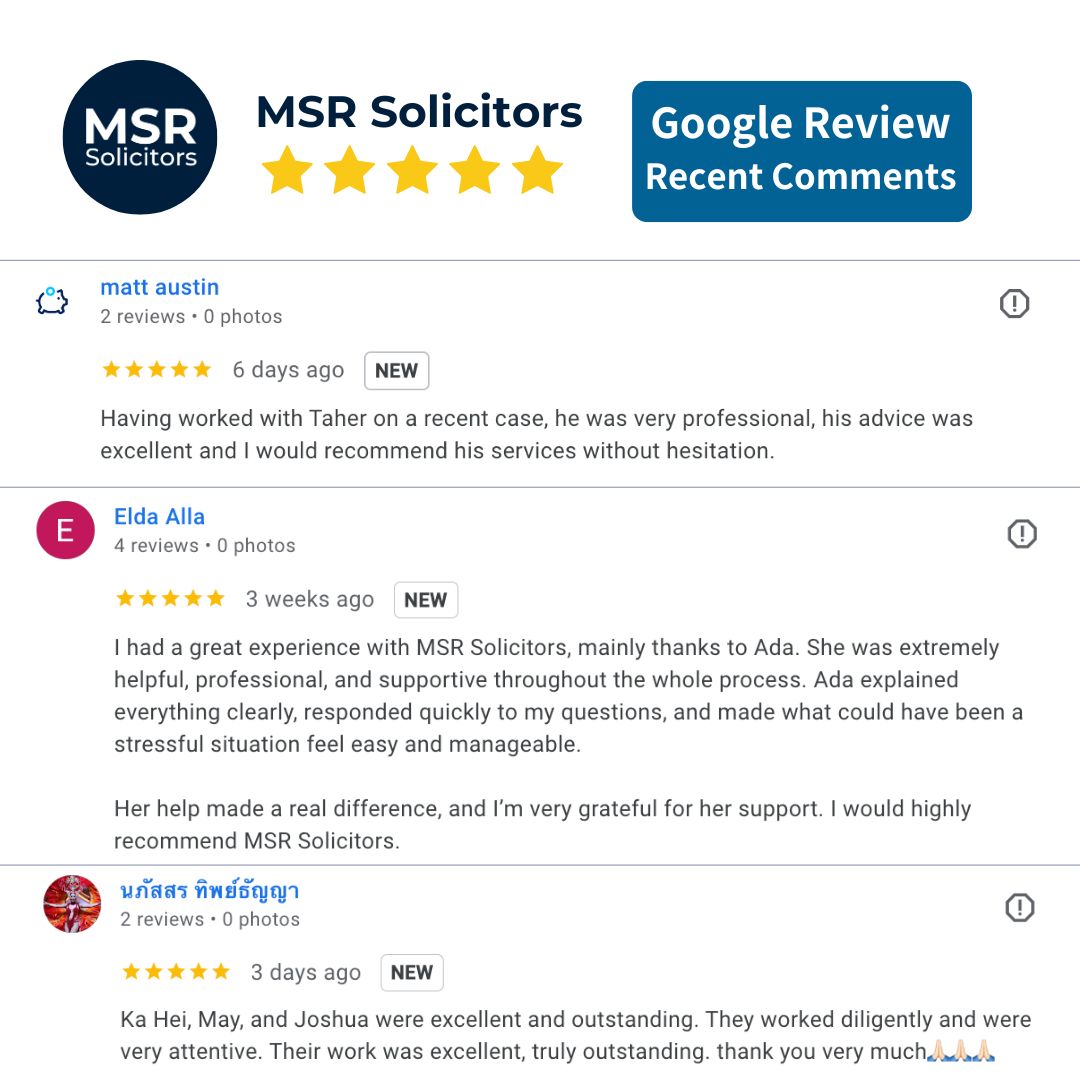
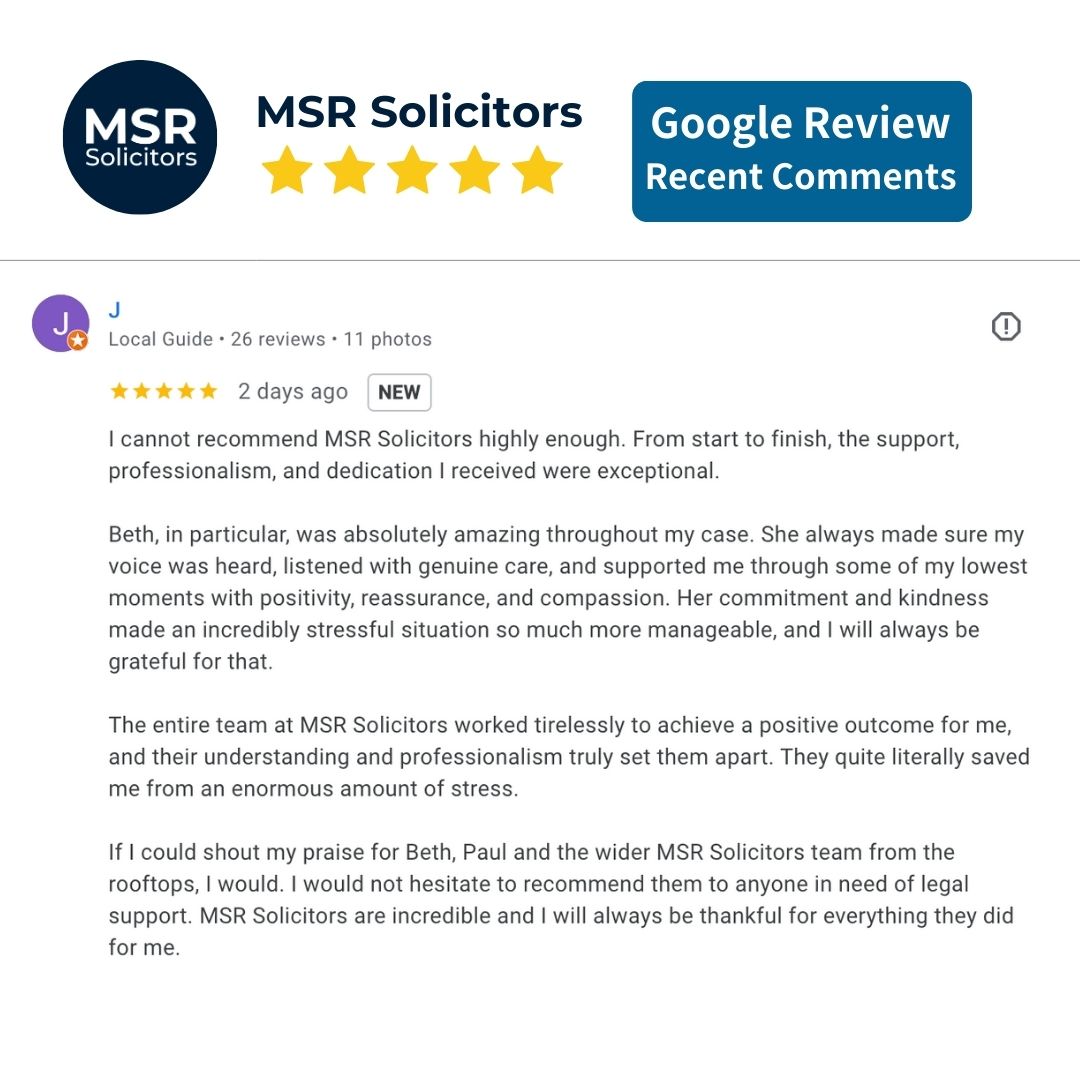
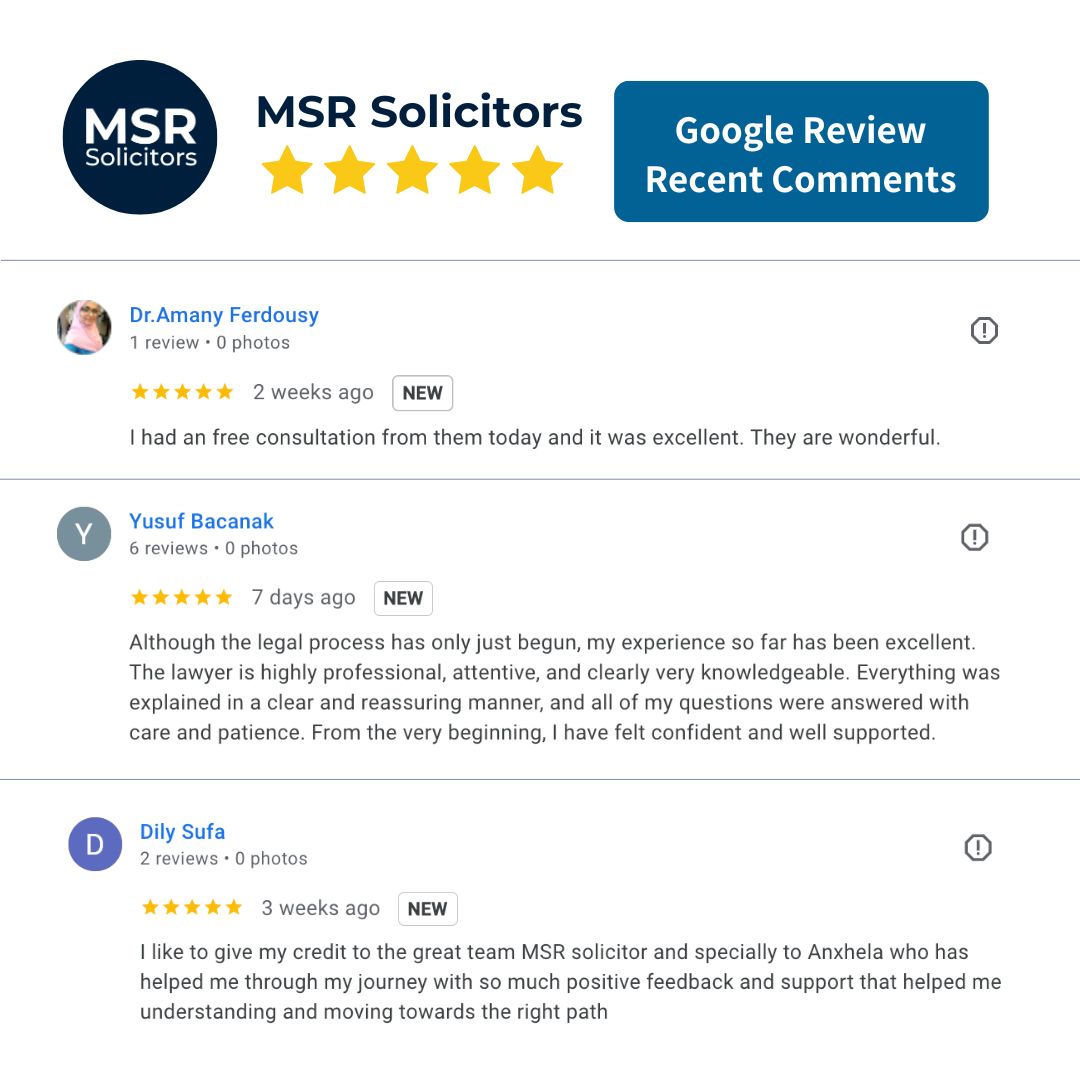
Client Reviews
Related insights

The AI Copyright Clash That’s Changing Everything: What UK Authors Need to Know About the Anthropic Ruling

Clouds Over Aldi: Supreme Court Backs Thatchers in Trade Mark Clash


